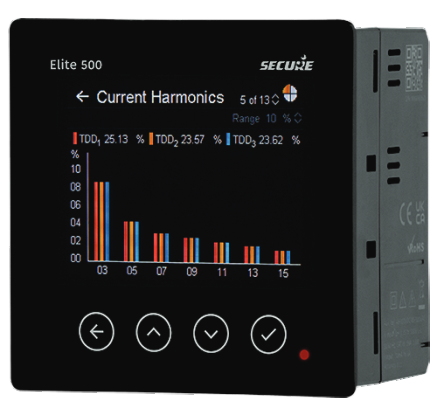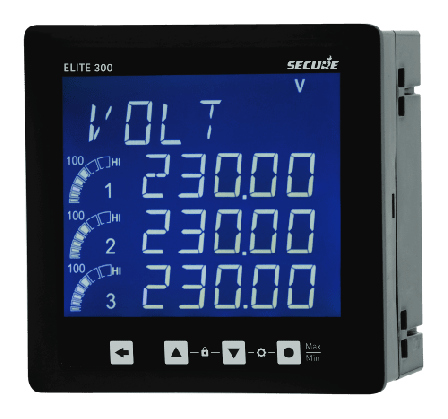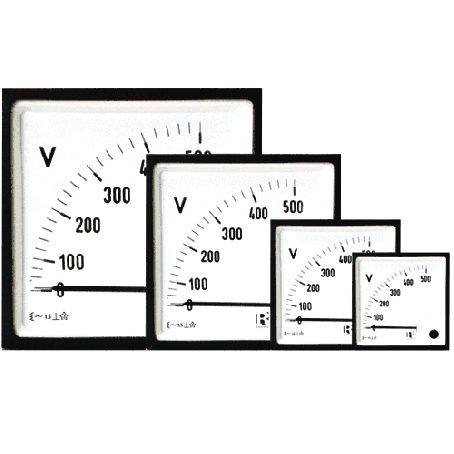
Multifunction meter
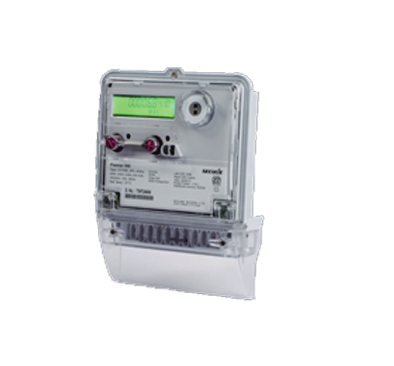
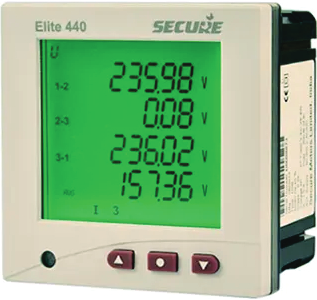
Three-phase V, A, kW, kVA, kVAr, PF, frequency, kWh and demand on one panel-mount display, with harmonics on higher models.
- Class 0.2S / 0.5S / 1.0 options
- 96×96 and 72×72 cut-outs
- RS-485 Modbus RTU, pulse output

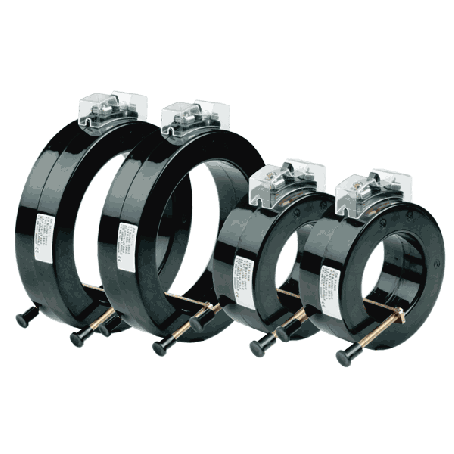
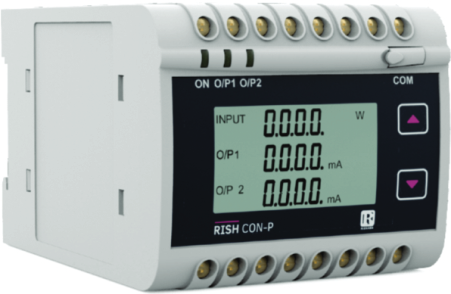
If you cannot see where the units are going, you cannot cut them. We supply the metering layer — panel meters, CTs, transducers and monitoring systems — with the accuracy class and communication your energy team actually needs.
Models below are the ones we move most often around Ankleshwar. Variants, ranges and communication options are available on request — tell us the panel and load and we will confirm the exact part number.
With this much detail we can quote a firm model instead of a range, and you avoid the classic mistakes — wrong cut-out, oversized CT, no comms port.
Send details on WhatsAppClass 1.0 is fine for internal feeder monitoring. Class 0.5S suits departmental energy accounting where numbers are used to allocate cost. Class 0.2S is for billing between parties or statutory reporting — and the CT accuracy must match, otherwise the meter class is wasted.
Size the CT to the real maximum load, not the breaker. A 400/5 CT on a feeder that peaks at 90 A spends its life in the least accurate part of its range. Confirm the burden in VA against your cable run too — long runs to the meter need a higher burden CT.
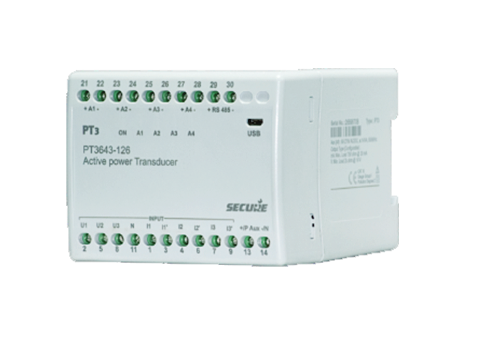
Most models offer RS-485 with Modbus RTU and we can supply the register map with the order. Where no communication cable exists, a transducer with 4–20 mA output or a pulse-output meter into a Horner controller is the usual route.
Usually yes, using split-core CTs clamped over existing cables and a DIN-rail meter in a small enclosure beside the panel. It is the standard approach when a plant wants machine-wise energy data without stopping production.